Respect the waste hierarchy
Prioritise waste prevention, reuse and suitable mechanical recycling. Consider controlled recovery for eligible residual plastics after those routes.
Biorosh's sustainability approach begins with the way waste is collected, sorted and directed to the right treatment route. The proposed Zambia facility is being developed within a wider vision for African markets.
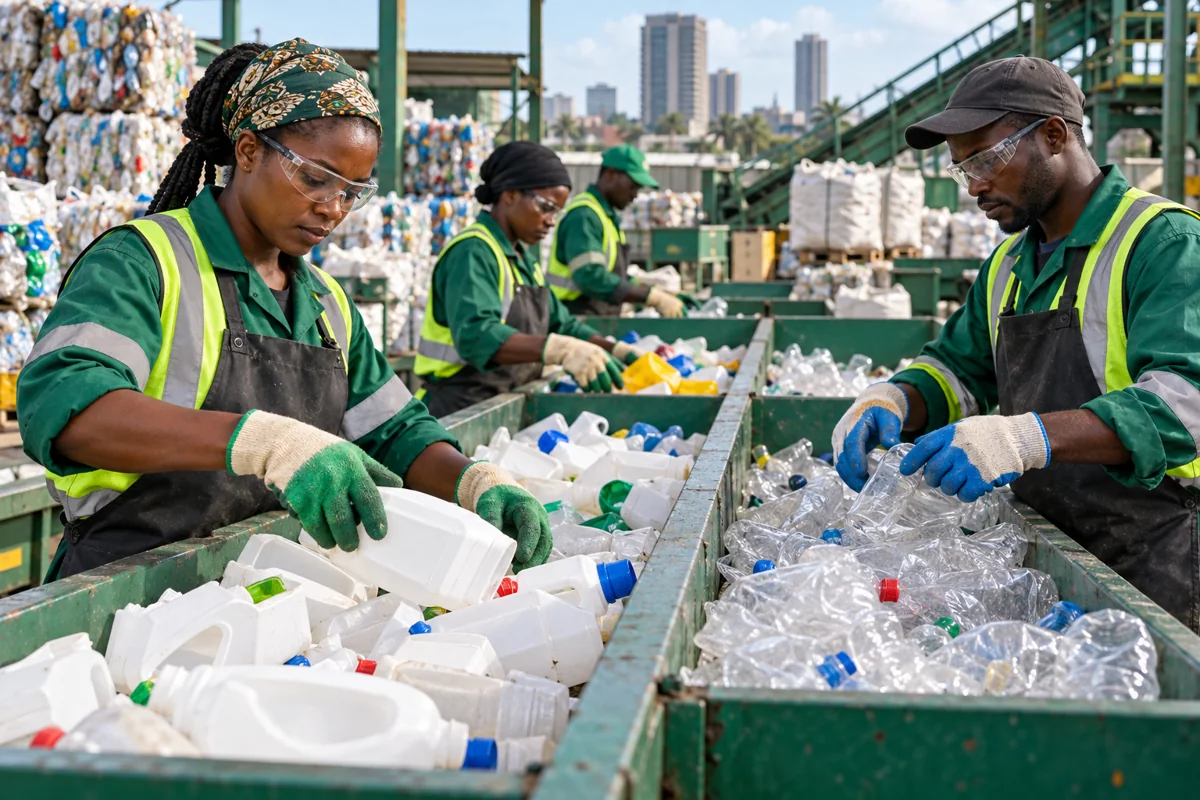
These are principles for how Biorosh intends to design and assess its projects. Specific performance will be established through engineering, testing, permits and operating data.
Prioritise waste prevention, reuse and suitable mechanical recycling. Consider controlled recovery for eligible residual plastics after those routes.
Assess air emissions, residues, water use, energy needs and site impacts through the required environmental and operating processes.
Engage collectors, recyclers, municipalities and communities so project design reflects local needs and supports safe work.
Track accepted feedstock, material destinations, tested product quality and environmental performance once a facility operates.
For the proposed Lusaka facility, suitable incoming plastics would be inspected and prepared. Unsuitable materials, including hazardous and medical waste, would be excluded. Process design would include emissions and residue management.
The site is in development. These measures describe planned controls, not operating results.
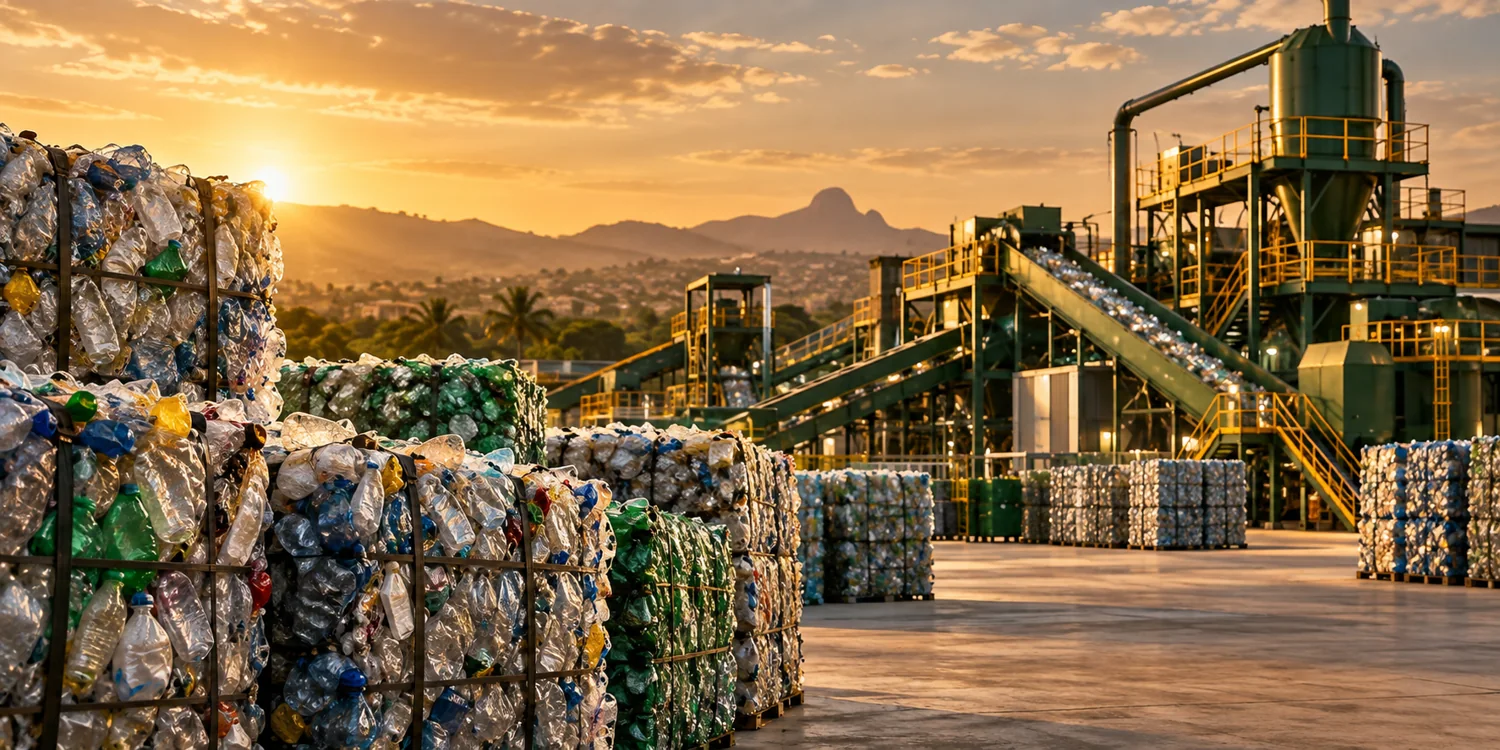
Collection networks, independent workers and local recyclers are essential to a functioning waste system. Biorosh aims to develop supply arrangements and community programmes that recognise their roles, improve sorting and support skills development.
Discuss waste streams, local priorities and potential impacts with municipalities and communities.
Promote appropriate handling, training and clear material acceptance requirements.
Share verified milestones and measured outcomes as projects develop and operate.
When projects reach operation, Biorosh intends to use a consistent set of indicators, with baselines and methods stated clearly.
No site-wide impact totals are presented before they can be measured and verified.
The Zambia pilot is intended to establish practical systems and lessons. Any future African project would need its own feedstock assessment, community engagement, environmental approvals and monitoring plan.