01 · FIRST
Reduce
Avoid unnecessary plastic and design products and packaging to use less material.
Waste management works best as a sequence of choices. Prevent unnecessary waste, reuse what can be reused, recycle suitable material, then assess safe recovery routes for the eligible residues.
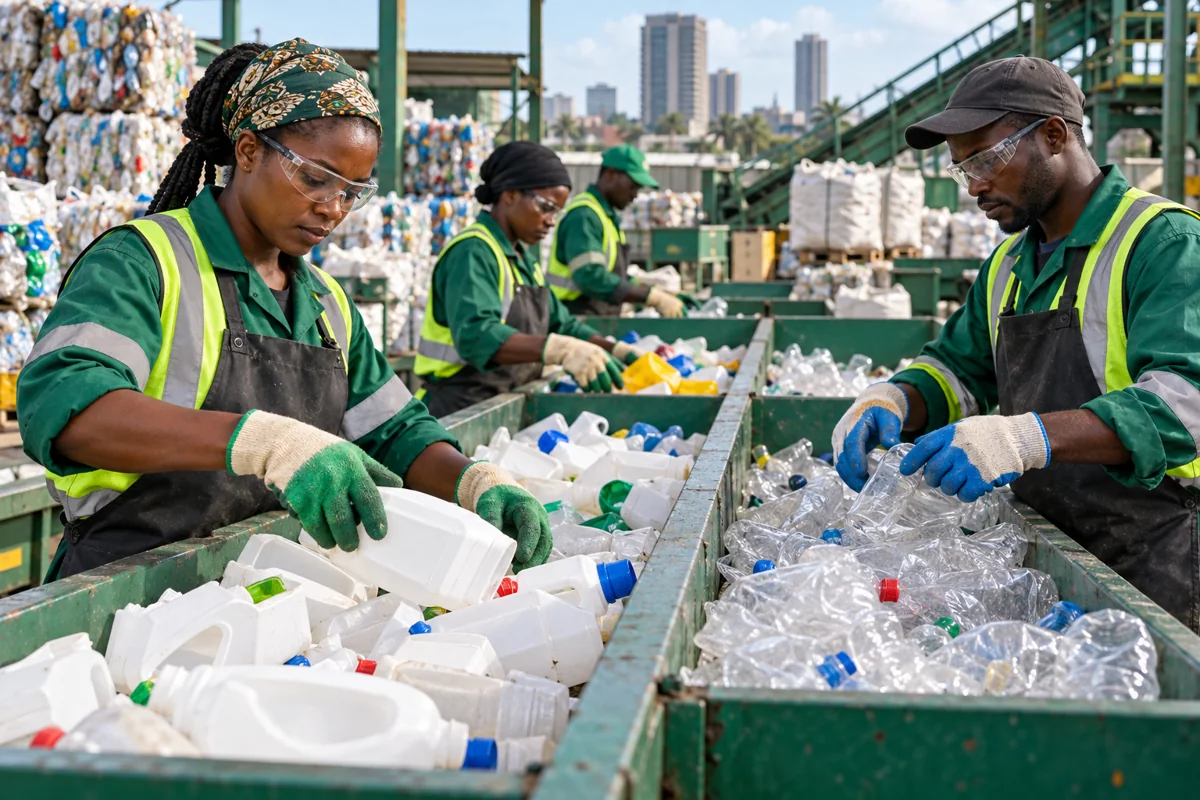
A circular economy aims to retain materials and their value for longer. This framework helps explain where Biorosh's proposed recovery activity fits alongside existing collectors and mechanical recyclers.
Avoid unnecessary plastic and design products and packaging to use less material.
Keep suitable products and packaging in circulation through refill, repair and repeated use.
Sort and mechanically recycle materials where practical and environmentally sound.
Assess other regulated treatment routes for eligible residues that cannot be reused or mechanically recycled.
Biorosh's current service portfolio includes collection and logistics, sorting and pre-treatment, waste management, consulting, reporting, technology development and community engagement.
Hazardous and medical waste are outside the proposed Zambia facility's scope. PVC and other unsuitable contaminants need control at the sorting stage.
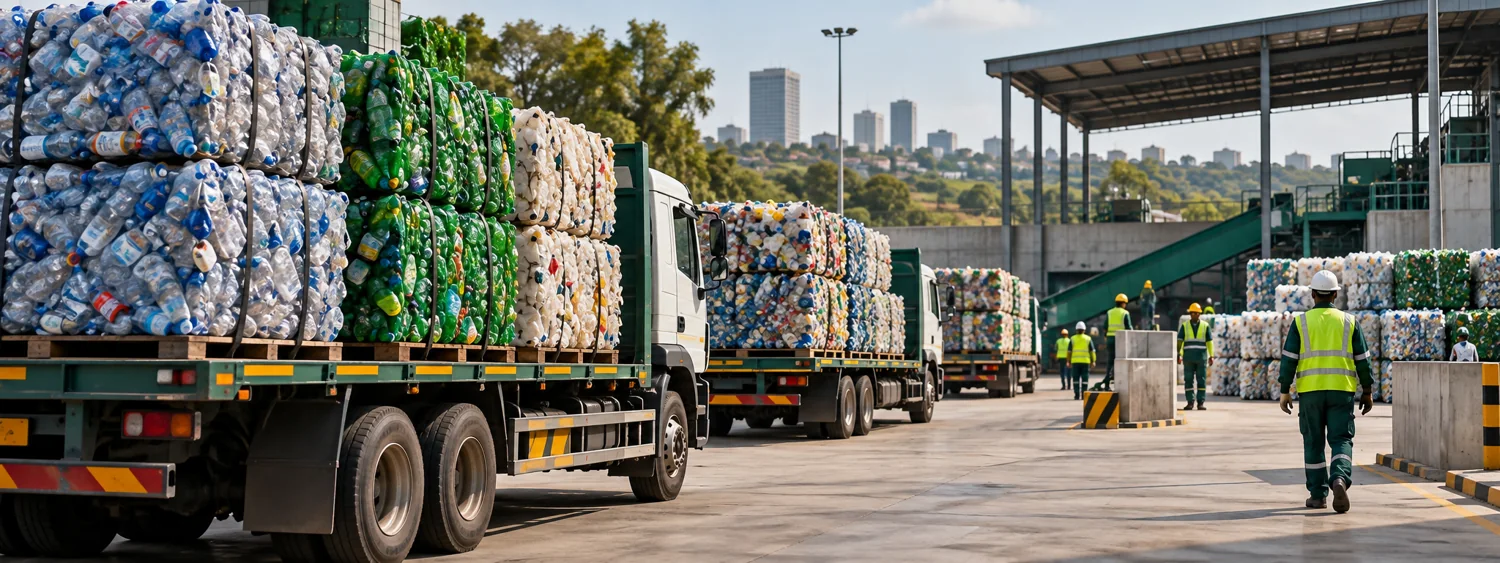
The proposed Lusaka facility would bring together feedstock partnerships, sorting, continuous processing, quality testing and environmental controls. Any future project elsewhere in Africa would need its own assessment, partners and approvals.
Reducing waste and preserving materials through reuse and mechanical recycling remain essential. Biorosh's processing route is intended for eligible residual fractions, subject to testing and approvals.