tonnes of plastic waste
Generated worldwide in 2019, more than double the 2000 amount.
OECD Global Plastics Outlook, 2022Plastic is useful in many settings. The problem is the scale of short-lived use, weak collection systems and pollution that escapes into land and water. Action is needed across the full lifecycle.
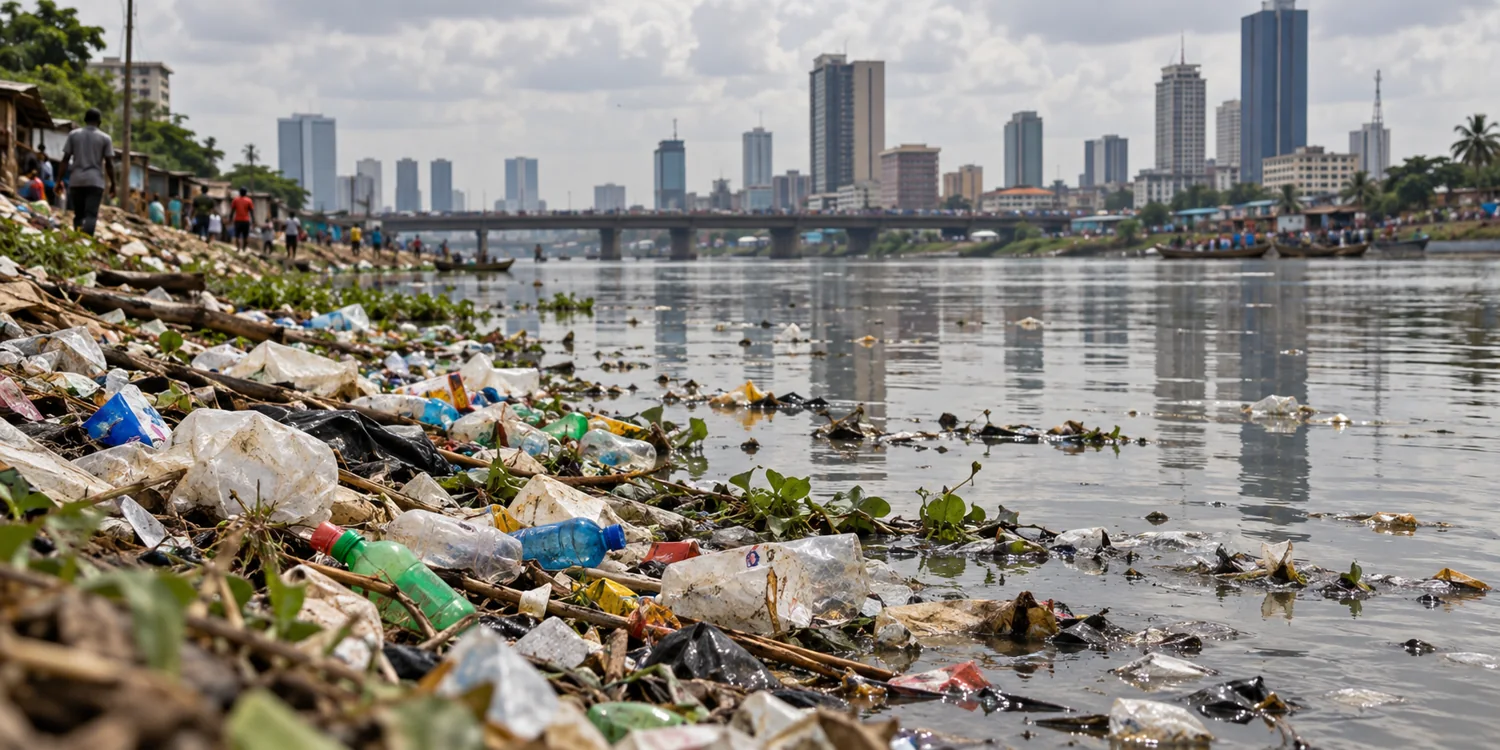
These are global estimates from published OECD and UNEP assessments. The year and scope matter: they describe the worldwide problem, not Biorosh's own operations.
Generated worldwide in 2019, more than double the 2000 amount.
OECD Global Plastics Outlook, 2022Share of global plastic waste recycled in 2019 after losses during the recycling process.
OECD Global Plastics Outlook, 2022Estimated plastic waste leaking into lakes, rivers and seas each year.
UNEP plastic pollution and marine litter, 2026The OECD projects global plastic waste to almost triple by 2060 under its baseline scenario. This is a projection, not an observed outcome.
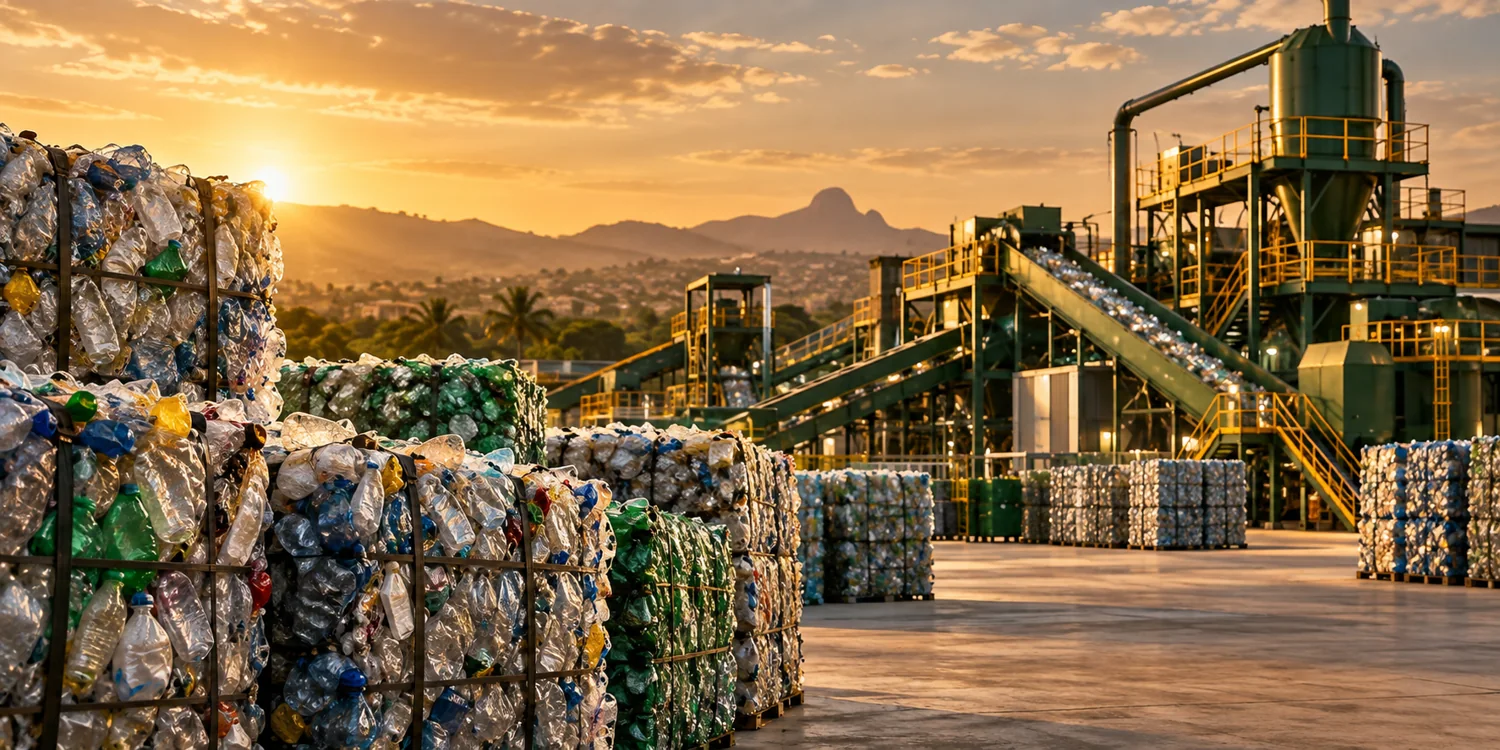
Reduce unnecessary and problematic plastics and redesign products for longer use.
Improve collection, sorting and recycling so fewer materials escape into the environment.
Assess controlled routes for material that remains unsuitable for reuse or mechanical recycling.
UNEP's systems approach emphasizes reducing unnecessary use, expanding reuse and recycling, and dealing safely with residual waste. Its 2023 analysis found that deep policy and market changes using existing technologies could cut plastic pollution by 80% by 2040.
Biorosh aims to contribute through waste collection partnerships, sorting, consultation and responsible recovery of suitable residual plastics. The proposed Zambia pilot is a starting point for learning and local implementation, not a claim that one facility can resolve the global crisis.